
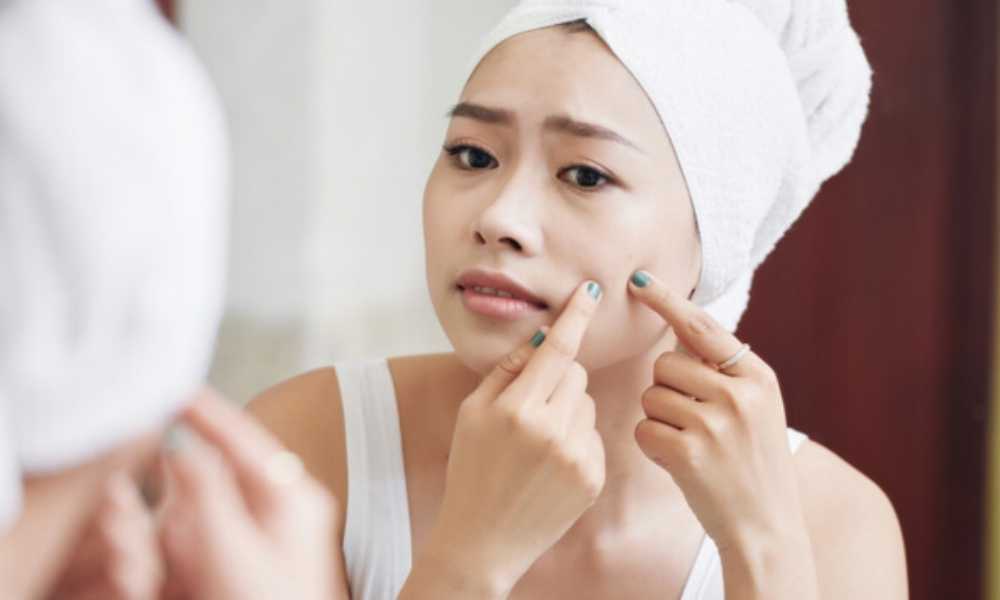
Why Picking, Popping, and Plucking Can Harm Your Skin
Quick Answer: Picking scabs, popping pimples, and repeatedly plucking hairs can injure the surrounding skin, increase inflammation, and delay healing. These habits may also increase the risk of irritation, lingering dark marks, infection, or permanent scarring. Protect healing wounds, treat acne without squeezing it, and avoid digging at ingrown hairs.
Why Should You Avoid Picking Scabs?
Picking a scab can reopen a healing wound and damage the new skin underneath. This may make the area take longer to heal and increase the chance of a more noticeable scar.
For a minor, uncomplicated cut or scrape, gently clean the area, apply petroleum jelly, and cover it with a clean bandage. Keeping the wound moist and protected may support healing while preventing the area from repeatedly cracking or being picked.
Do not apply scar cream to an open wound unless a healthcare professional recommends it. Seek care if the area becomes increasingly painful, warm, swollen, or begins draining pus.
Why Can Popping Pimples Make Acne Worse?
Squeezing may rupture a blemish beneath the skin and spread its contents into nearby tissue, which can worsen inflammation. Pressure from fingers, nails, needles, or extraction tools can also injure the surrounding skin.
This may make the blemish more swollen, painful, or noticeable. Repeated picking can leave lingering discoloration, while deeper damage may increase the risk of permanent acne scars.
Instead of squeezing, use an acne treatment suited to your skin and give it time to work. A hydrocolloid patch may help protect some surface-level blemishes from touching, but it will not treat deep or cystic acne.
Deep, painful, widespread, or frequently recurring acne should be evaluated by a qualified medical provider.
Can Plucking Hair Cause Ingrown Hairs?
Plucking removes hair from the root, but it can also irritate the skin and hair follicle. As the hair grows back, it may become trapped beneath the skin and form an ingrown hair.
Ingrown hairs may cause raised bumps, redness, itching, tenderness, or inflammation. Trying to dig out the hair with tweezers or a needle may create further skin injury and increase the chance of infection or post-inflammatory marks.
Trimming or careful shaving may be less traumatic than repeatedly plucking the same area, although either method can irritate the skin when performed incorrectly. Shaving does not make hair grow back thicker or faster. Regrowth may only feel coarser because the hair has been cut straight across.
People who frequently develop ingrown hairs may also ask a qualified provider whether a longer-term hair-reduction option is appropriate.
How Can You Reduce the Urge to Pick?
These habits can be difficult to interrupt, especially during stress, boredom, or when a bump or scab feels uneven. Simply telling yourself to stop may not always be enough.
Helpful strategies may include:
- Covering minor wounds or suitable blemishes
- Keeping fingernails short
- Moving tweezers and extraction tools out of reach
- Using a stress ball or another object to keep your hands occupied
If you already picked an area, gently cleanse it and avoid repeatedly touching it. Do not apply several strong skincare products in an attempt to repair the damage quickly.
For some people, repeated skin picking is more than an occasional habit. If it causes ongoing wounds, emotional distress, or feels difficult to control, discuss it with a healthcare or mental-health professional rather than relying only on willpower.
When Should You Seek Medical Help?
Seek prompt medical care for fever, rapidly spreading redness, severe pain, significant swelling, or pus.
Schedule a routine evaluation for a wound, breakout, or ingrown hair that repeatedly returns, does not heal, or continues leaving noticeable discoloration or scars.
A professional evaluation may also help when acne, unwanted hair, or another underlying skin concern is driving repeated picking.
Protect Your Skin From Longer-Lasting Damage
A pimple, scab, or ingrown hair may be temporary, but repeated squeezing, scratching, or digging can make its effects last much longer. Protect the area, use appropriate treatment, and seek professional help when the concern is painful, recurring, infected, or difficult to stop touching.
Frequently Asked Questions

LUX ~ A Medical Spa is co-owned by board-certified dermatologist Dr. Carmen A. Traywick and board-certified plastic surgeon Dr. Frederick G. Weniger. Serving Bluffton, Hilton Head, and Port Royal, their clinical team blends dermatological science with surgical expertise to deliver advanced non-invasive aesthetics. They share expert insights on skincare, anti-aging treatments, laser therapies, and body contouring to help Lowcountry clients achieve natural, radiant results.