
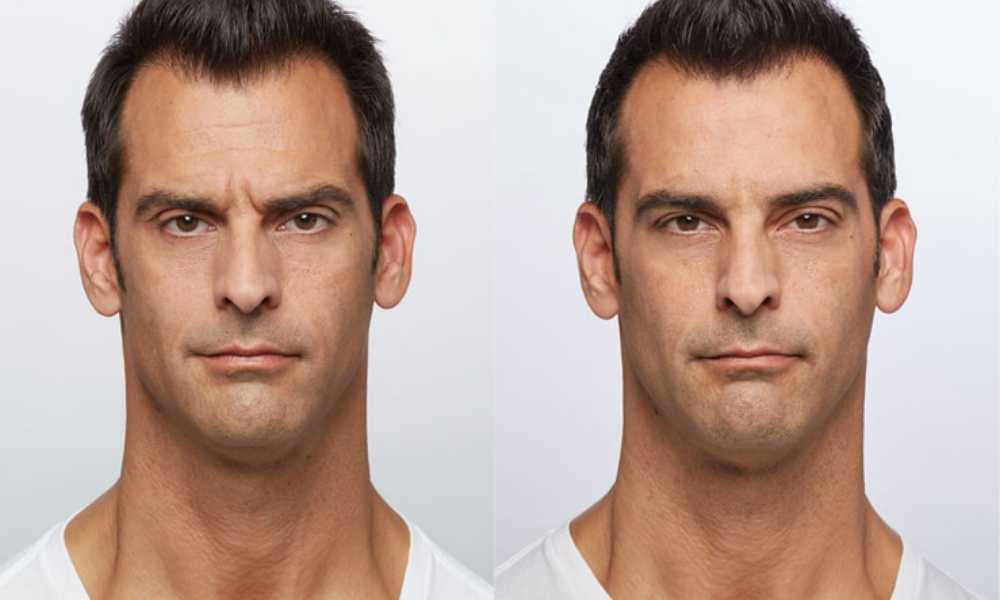
Does Dysport Work for Forehead Wrinkles and Frown Lines?
Quick Answer: Dysport may soften forehead wrinkles caused by repeated muscle movement and is FDA-approved for moderate-to-severe frown lines between the eyebrows, often called “11 lines.” It may also be used for horizontal forehead lines, but this is an off-label use that requires careful planning because the forehead muscles help control eyebrow position. A qualified medical provider should evaluate where your lines appear, how your forehead moves, and whether Dysport is appropriate for you.
What Is Dysport?
Dysport is a prescription injectable made with abobotulinumtoxinA. It temporarily reduces the signals that cause selected facial muscles to contract, which may soften movement-related wrinkles.
Unlike a dermal filler, Dysport does not add volume beneath the skin. Its FDA-approved cosmetic use is the temporary improvement of moderate-to-severe glabellar lines in adults younger than 65. These are the vertical frown lines between the eyebrows.
Dysport for Frown Lines vs. Horizontal Forehead Lines
Frown lines and horizontal forehead lines form in different areas and involve different muscles.
Frown lines appear between the eyebrows and become more noticeable when you frown, squint, or concentrate. Because they may resemble the number 11, they are also called 11 lines. This is the area Dysport is FDA-approved to treat.
Horizontal forehead lines run across the upper forehead and usually appear when you raise your eyebrows. Using Dysport in this area is considered off-label, meaning it falls outside the treatment’s specific FDA-approved cosmetic indication. Licensed medical professionals may recommend off-label treatment when they determine it is appropriate for an individual patient.
Horizontal forehead treatment requires careful planning because the muscles creating these lines also help lift the eyebrows. Reducing too much movement or treating an unsuitable area may make the brows feel heavy or affect their position. Frown lines and horizontal forehead wrinkles should not automatically be treated in the same way.
Which Forehead Wrinkles May Respond Best?
Dysport usually works best on dynamic wrinkles, which are lines that appear or deepen when facial muscles move.
A line that becomes visible when you frown or raise your eyebrows may respond better than a deep wrinkle that remains visible while your face is relaxed. Lines present at rest may still soften, but they may not disappear completely.
Collagen loss, skin elasticity, sun exposure, age, and genetics can also affect how forehead wrinkles look. If the main concern is skin texture, sun damage, or lost volume rather than muscle movement, another treatment or a combined approach may be more appropriate.
How Is Dysport Treatment Planned?
Before treatment, a medical provider may examine the forehead while the face is relaxed and during expressions such as frowning, squinting, or raising the eyebrows. This helps identify which muscles are contributing to the lines and how the eyebrows respond.
Treatment planning may depend on facial anatomy, muscle strength, the depth and location of the lines, previous injectable treatments, and how much natural movement the patient wants to preserve. Results also depend on injection placement and the amount used, so individual outcomes vary.
How Quickly Does Dysport Work?
Some patients may notice changes within 24 hours, although results more commonly begin appearing within two to three days. In studies cited by the manufacturer, more than half of patients noticed improvement during that period. Results may continue to develop after treatment, so the final outcome should not be judged the following day.
How Long Does Dysport Last?
Dysport results are temporary. Some patients may continue to see improvement in frown lines for up to five months, although the effect generally fades over time and may wear off sooner.
How long Dysport lasts can depend on muscle strength, metabolism, the treatment area, the amount administered, and previous injectable treatments. A provider can recommend a maintenance schedule based on when movement and lines begin to return.
What Happens During Treatment?
After the treatment area is evaluated and cleaned, small amounts of Dysport are injected into selected muscles. The injection procedure generally takes about 10 to 20 minutes, although the full appointment may be longer when consultation, preparation, photographs, or aftercare guidance are included.
Most people describe the injections as brief pinches, although comfort levels vary. Dysport and Botox are both prescription neuromodulators, but their formulations and dosing units differ.
Is There Downtime or a Risk of Side Effects?
Many people return to their usual routine after a Dysport appointment. Temporary injection-site effects may include redness, tenderness, swelling, bruising, or small bumps. Other possible reactions include headache, discomfort, eyelid swelling, or temporary eyelid drooping.
In some cases, the effects of Dysport and other botulinum toxin products may spread beyond the injection area. Seek medical care promptly if you experience trouble breathing, swallowing, or speaking after treatment. Follow the aftercare instructions provided by your medical professional and contact the treating provider if you develop unexpected symptoms.
Who May Be a Good Candidate?
Dysport may be an option for adults with movement-related frown lines or forehead wrinkles who want a temporary, nonsurgical treatment. Candidacy depends on facial anatomy, health history, medications, allergies, previous procedures, treatment goals, and past reactions to botulinum toxin products.
Tell your provider if you have a neuromuscular condition, an infection near the planned injection area, difficulty swallowing or breathing, or have recently received another botulinum toxin treatment. Pregnancy, plans to become pregnant, and breastfeeding should also be discussed before treatment.
Not every forehead line is caused mainly by muscle movement, and Dysport is not suitable for every patient. An individual medical assessment is necessary.
Medical Leadership and Injectable Providers at LUX
LUX ~ A Medical Spa is co-owned by Carmen A. Traywick, MD, FAAD, a board-certified dermatologist, and Frederick G. Weniger, MD, MBA, FACS, a board-certified plastic surgeon. Its aesthetic-injector team includes Elizabeth P. Appling, MSN, APRN, FPN-C; Kylie D. Gratton Clark, APRN, FNP-BC; Katelynn A. King, PA-C; and Andrea M. Samaha, APRN, FNP-C.
LUX states that its providers train under the physician co-owners and that treatment plans and protocols receive active physician oversight. Kylie Gratton Clark’s published bio also notes one-on-one training with Dr. Weniger and Dr. Traywick, along with specialized Botox and dermal filler training. Patients can confirm which provider offers their requested treatment when scheduling.
Is Dysport Right for Your Forehead Lines?
Dysport may help soften frown lines and certain horizontal forehead wrinkles caused by repeated facial movement. However, the two areas involve different muscles and require different treatment considerations.
Schedule a consultation at LUX ~ A Medical Spa in Bluffton, SC, to find out whether Dysport or another treatment may be appropriate for your forehead lines.
Frequently Asked Questions

LUX ~ A Medical Spa is co-owned by board-certified dermatologist Dr. Carmen A. Traywick and board-certified plastic surgeon Dr. Frederick G. Weniger. Serving Bluffton, Hilton Head, and Port Royal, their clinical team blends dermatological science with surgical expertise to deliver advanced non-invasive aesthetics. They share expert insights on skincare, anti-aging treatments, laser therapies, and body contouring to help Lowcountry clients achieve natural, radiant results.